Symbolic Change
July 30th, 2026 | by Andreas Richter
(5 min read)
We see them every day, following their statements intuitively or ignoring them, and we know most of them by heart. Like good old friends we sometimes realize that they have changed slightly or added some additional information. And we recognize them even if they look different while being abroad and sometimes we have the feeling that they become more and more. We are talking about road traffic signs.
Have you realized that often road signs look similar across different countries but often look a little bit outdated with historical cars, trucks and steam locomotives? And if you are enjoying German roads you may notice that they look kind of generalized and modern. But why?
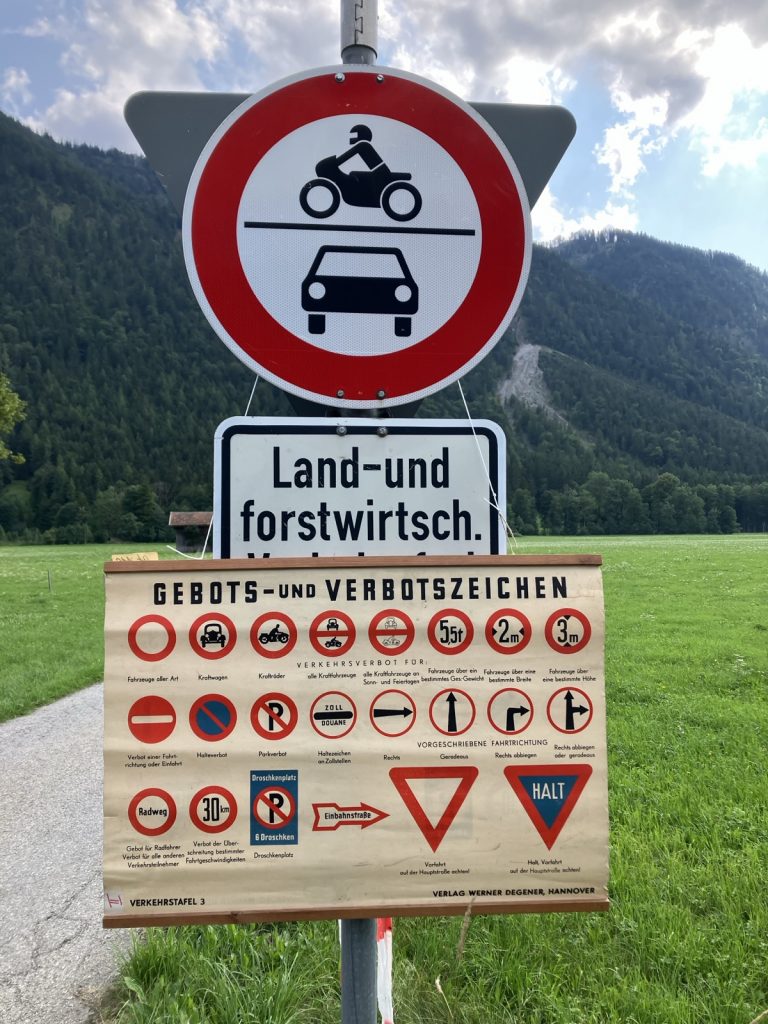
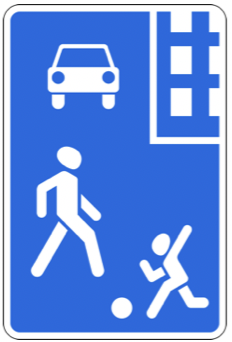
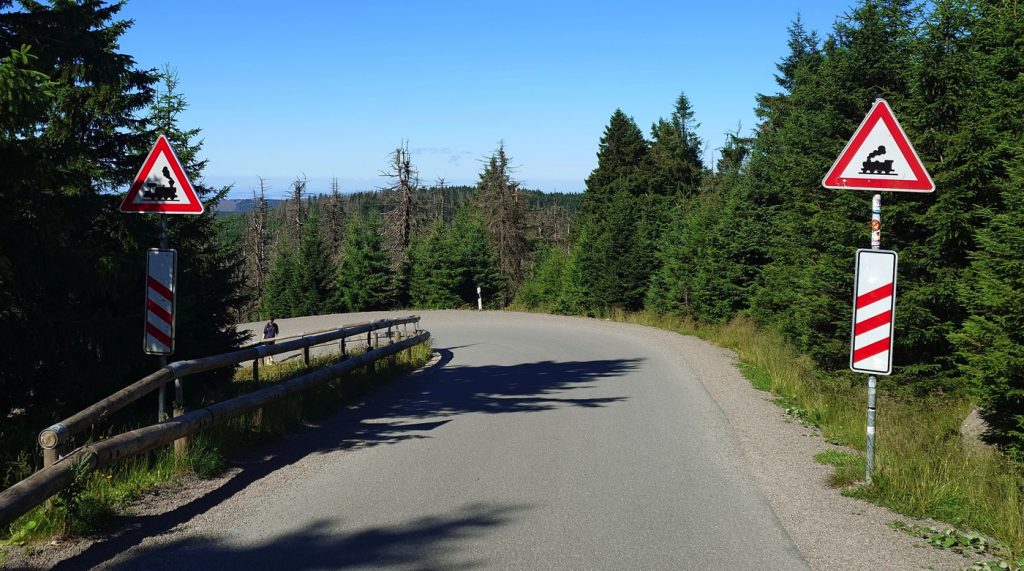
It was necessary to consolidate the catalogue of road signs after unification of both Germanys. It was not only about consolidating the codes but also the design and, therefore, it was possible to modernize them. The “Gestalltungsnovelle” (design amendment) was focussing on more generalized, ageless pictograms to improve “readability” but also to modernize the pictograms. For example, the railroad crossing with steam locomotives or half- resp. full barriers was replaced by an electric locomotive; cars, motorcycles and tractors got modernized and “good pupils with exemplary effect of older ones on younger ones” were replaced by “generalized distracted playing children”. The arrow lost its heart shape and got very sharp-edged. This new design amendment was also adopted by other countries.
Aliens playing with a human head in Russia.
Nevertheless, before unification both Germanys modernized their road signs multiple times but none of these reworks were as generalized as done after unification. For example, temporal restrictions were communicated with black vehicles whereas only silhouette of the vehicles meant restrictions only on Sunday and public holidays. Nowadays we need additional signs mounted below the restriction sign.
In the twenties of the twentieth century designs and shapes got introduced as we know them until now. Blueprint were already standardized road signs in the USA whereas in “German Reich” square or rectangular traffic signs often were mistaken as advertising signs.
The Vienna Convention on Road Signs and Signals started to establish an international standard for signing systems for road traffic including traffic signs as well as traffic lights and road markings in the seventies. Nevertheless, the first activities of unifying road signage can be dated back to the beginning of the twentieth century, initiated by International Convention on Motor Traffic.
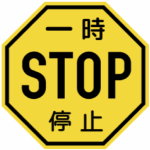
Stop signs more or less look the same all over the world with only one exception: Japan. Interestingly, until 1963 they had the octagonal sign as well (very likely influenced by the Americans) as you can see in the German Wikipedia.
The variation in Europe looks quite nice whereas Ireland looks more like the US.
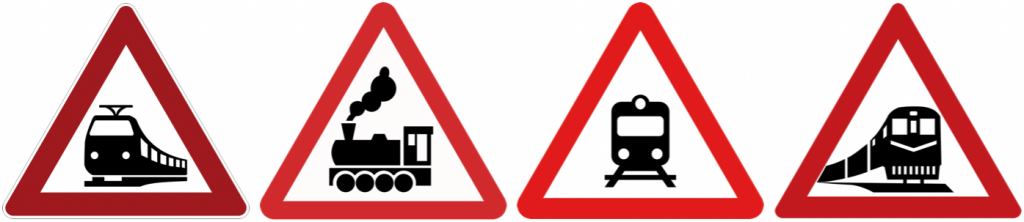
In most European countries steam locomotives are still active on the railroad crossing sign, only Germany, Luxemburg, Spain and Slovakia switched to electric traction.
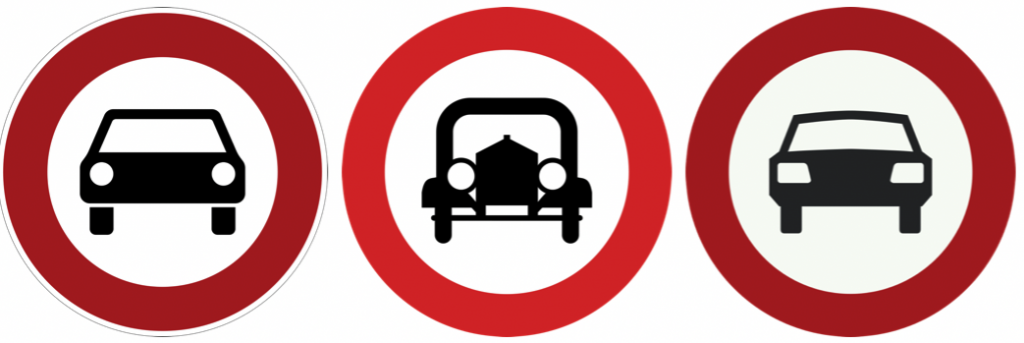
Austria still has very old-fashioned vehicles and cycles whereas the Netherlands already had a modern look since the fifties. The people in Russia have heads like aliens but this is just because we are all framed by our dot-heads. And for sure, the Netherlands have in their town silhouette a windmill.
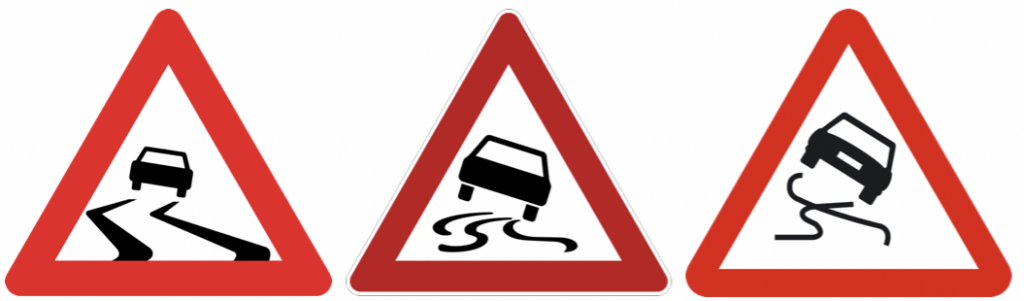
It is also interesting to see, how slippery roads look like in the countries because some of them have two intersecting or three tire tracks.
Speaking about unification we may think about what could happen at the Korean peninsular. Would they also align their road signs? At the end, both still have the steam locomotive on their railroad crossing sign but North Korea is using also Chinese traffic signs additional to the Korean ones. The North Korean vehicles look a little bit old-fashioned compared to the mid 80s from South Korea.
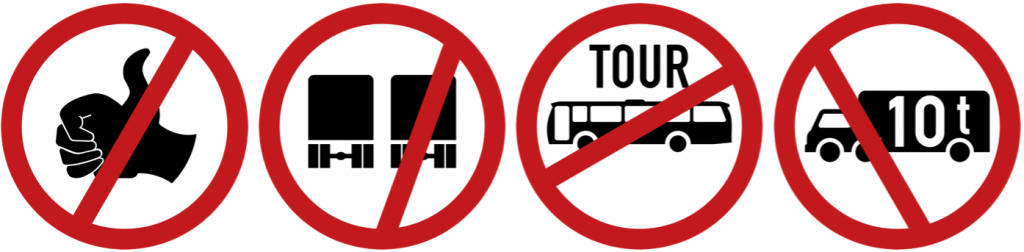
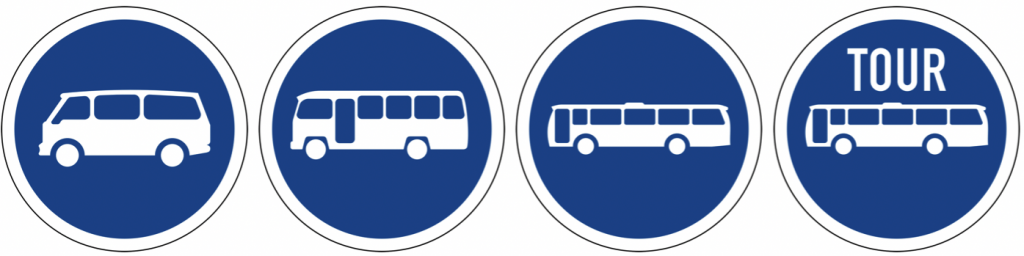
Namibia has some creative road signs. The restriction signs do not use only 45° strike through but more 30° or 50° degree-ish and sometimes also shift the bar a little bit to the right. They also know the difference between mini- midi-, full size and tour busses without having the need of additional signs. And, by the way, they have a diesel locomotive on their railroad crossing sign. A lot of their traffic signs are a small sequence of pictograms like a cartoon telling the full story.
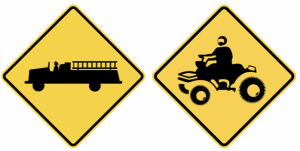
In contrary, the US traffic signs were very text-heavy from the very beginning which is kind of surprising thinking about the illiteracy rate back in these days. If the US is using pictograms, then it seems to be that they don’t get updated and that they stall in their time when they got introduced (e.g., compare the emergency vehicle (W11-8) with quad sign (NYW5-19)).
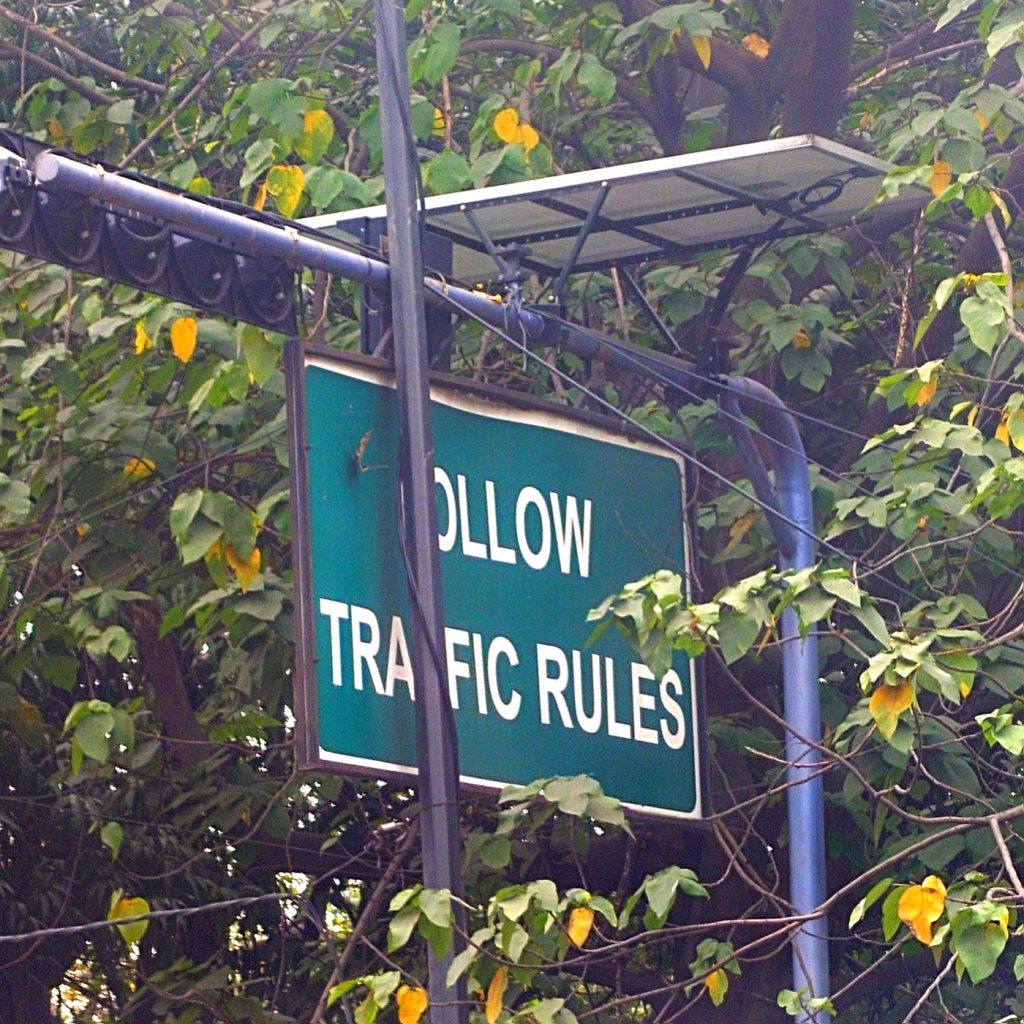
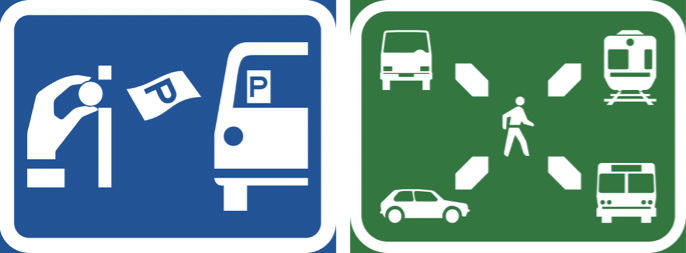
Interestingly, a lot of traffic signs are reminding the traffic participants to stick to the rules, e.g., “cross only on green” or “do not block intersection”. The ultimate surrender is the Indian “follow traffic rules”.
Turn right on red (realize as a supplementary green arrow sign on a traffic light) is one of the positive left overs of the former GDR (introduced at the end of the 70s)… but the USA already had it in the 40s. In some occasions also left on red is allowed, too. In China, Korea or Philippines you always can turn right on red, no additional traffic sign is necessary.
By all these variants the jungle of traffic signs might overgrow and a cut back is necessary. In Germany the so called “Schilderwaldnovelle” (meaning: update of the forest of traffic signs) from September 2009 was removing a lot of special signs (one of the oldest was the additional sign “begin” with the code “1012-30” which was introduced 1938) but they were re-introduced in the catalogue of road signs in 2013.
As you can see nature always finds its ways! And because of this we have even more road signage madness for you. Just look at our Last Year’s Leftovers or have a look into our Traffic Sign Forest.
About The Author
